Grabaciones
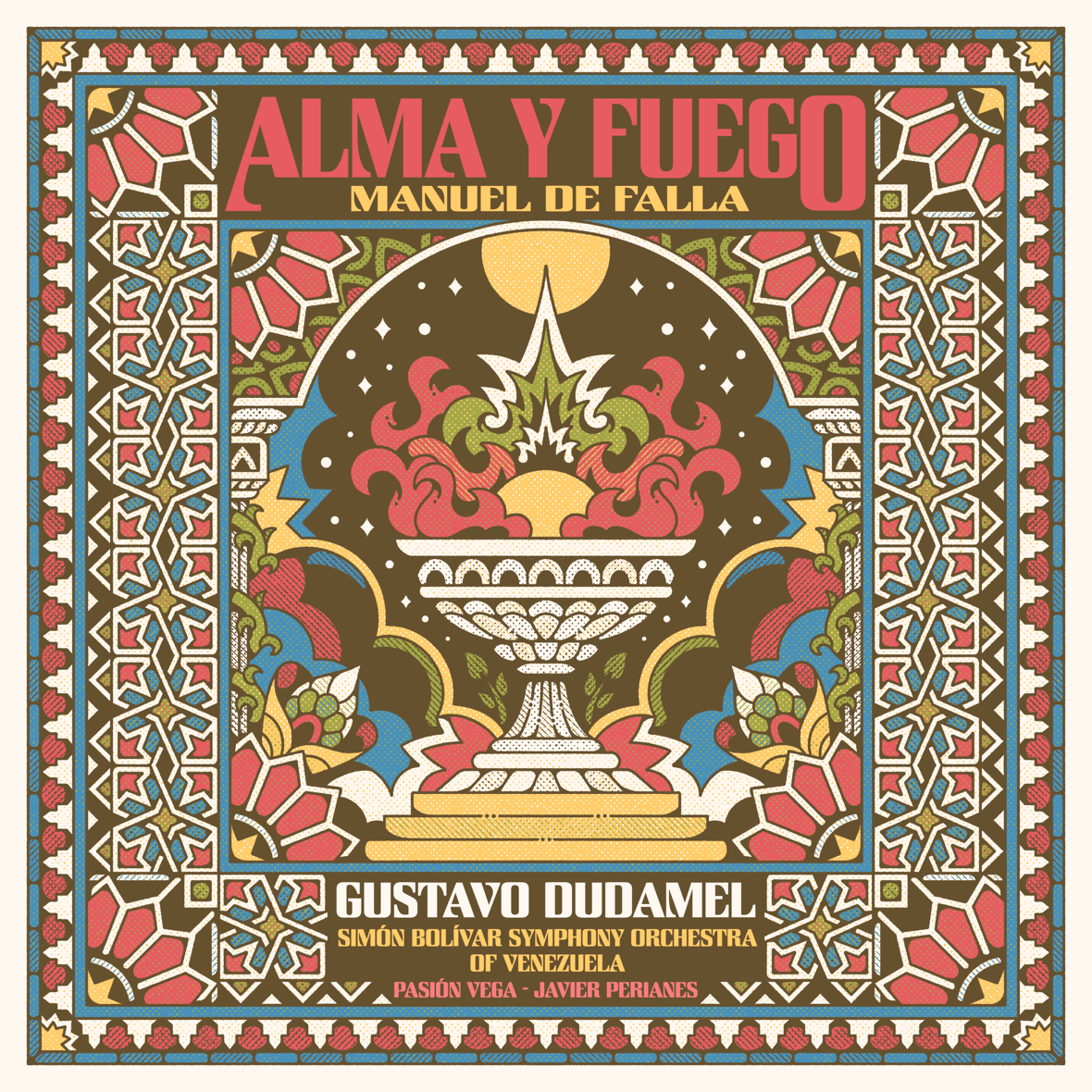
Gustavo Dudamel y la Orquesta Sinfónica Simón Bolívar de Venezuela se adentran en el mundo sonoro de Manuel de Falla con El amor brujo, Noches en los jardines de España y El sombrero de tres picos, visiones complementarias de la Andalucía imaginada por el compositor. En Noches en los jardines de España, Javier Perianes despliega su especial sensibilidad hacia la música española, iluminando una partitura de texturas sutiles, aliento poético y refinada evocación andaluza, en la que el piano dialoga con la orquesta como una voz íntima y profundamente expresiva.
CONTENIDO
El amor brujo
Noches en los jardines de España
El sombrero de tres picos suite nº2
Apple Music Amazon Spotify
harmonia mundi
The empathy between Robert and Clara Schumann, Joseph Joachim and Johannes Brahms engendered one of Romanticism’s most fruitful artistic friendships. With the aim of mining the precious jewels of that unique intimacy, three great artists have devised a programme in the form of a poetic conversation; here chamber music once more becomes shared human emotion in its purest expression.
harmonia mundi
A visionary composer, Domenico Scarlatti pushed back the frontiers of keyboard writing, fusing radiant melodies with spirited rhythms and daring technical feats. In this compendium of his most attractive sonatas, Javier Perianes employs his consummate virtuosity with audible enjoyment, revealing all the richness and inventiveness of his adoptive compatriot’s musical language.
harmonia mundi
Javier Perianes & Cuarteto Quiroga
Two masterpieces awaiting discovery. Written a dozen years apart (1895-1907), these two piano quintets display multiple affinities with the French chamber music of the period. At the same time, these masterpieces that are played all too rarely bear witness to the vitality of Spanish music at the dawn of the new century. An ideal coupling, revealing the fertile imagination of the two Andalusian composers an their total mastery of the genre.
harmonia mundi
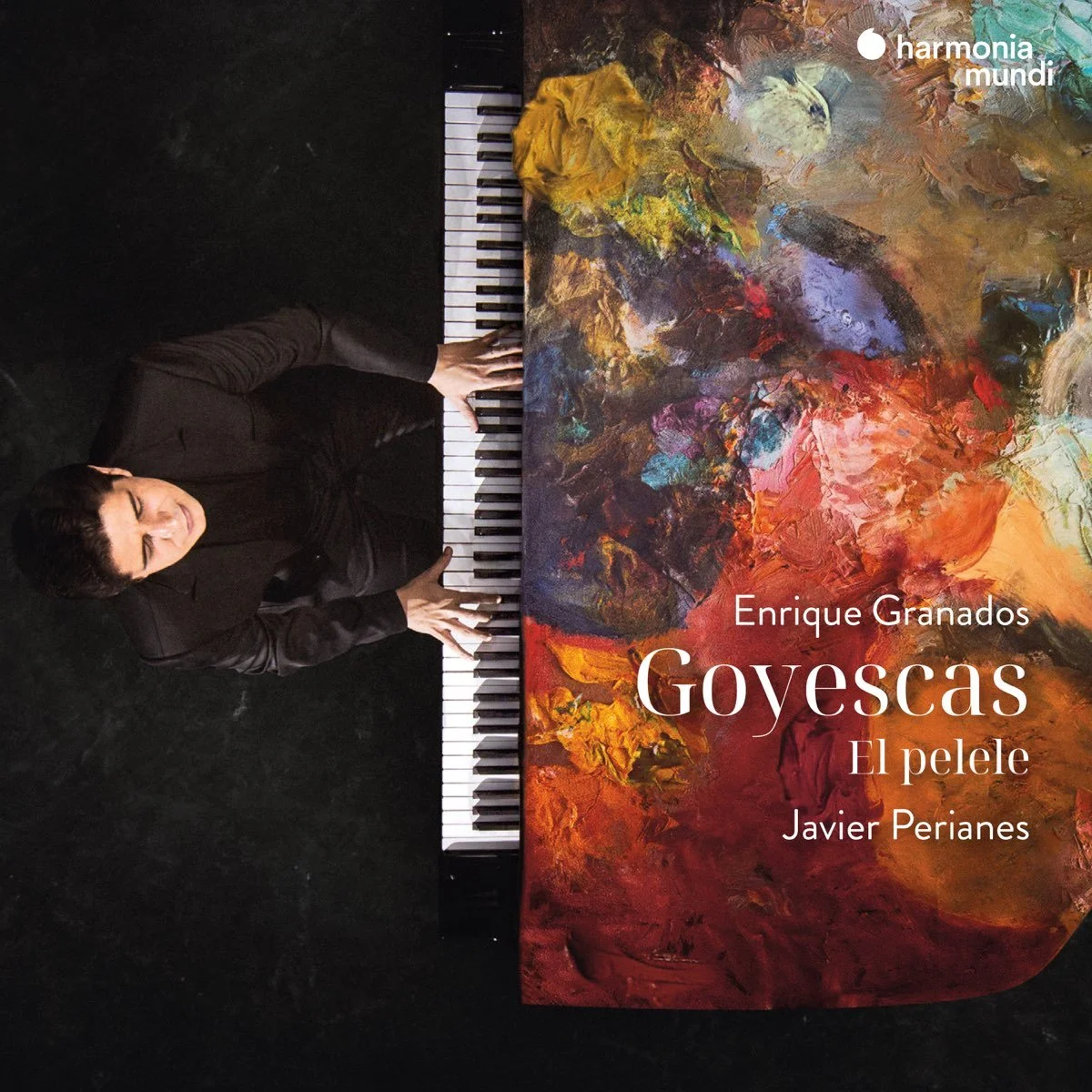
Francisco Goya's paintings have left a powerful imprint on the European imagination. It was undoubtedly Granados who best translated into music, with nobility and humour, this colourful universe where majos and majas dance to love and death in the twilight glow of a dying Ancien Régime.

harmonia mundi
Beyond the celebrated ‘Funeral March’, Chopin’s Second and Third Sonatas testify to their composer’s astounding ease in musical structures on a much larger scale than waltzes, nocturnes - and mazurkas, such as the three that make up his op.63, cunningly used here to frame Javier Perianes’s latest musical project. Whether in small or large forms, the most famous of all Romantic piano composers was an absolute master of musical dramaturgy.
harmonia mundi
Javier Perianes & Tabea Zimmermann
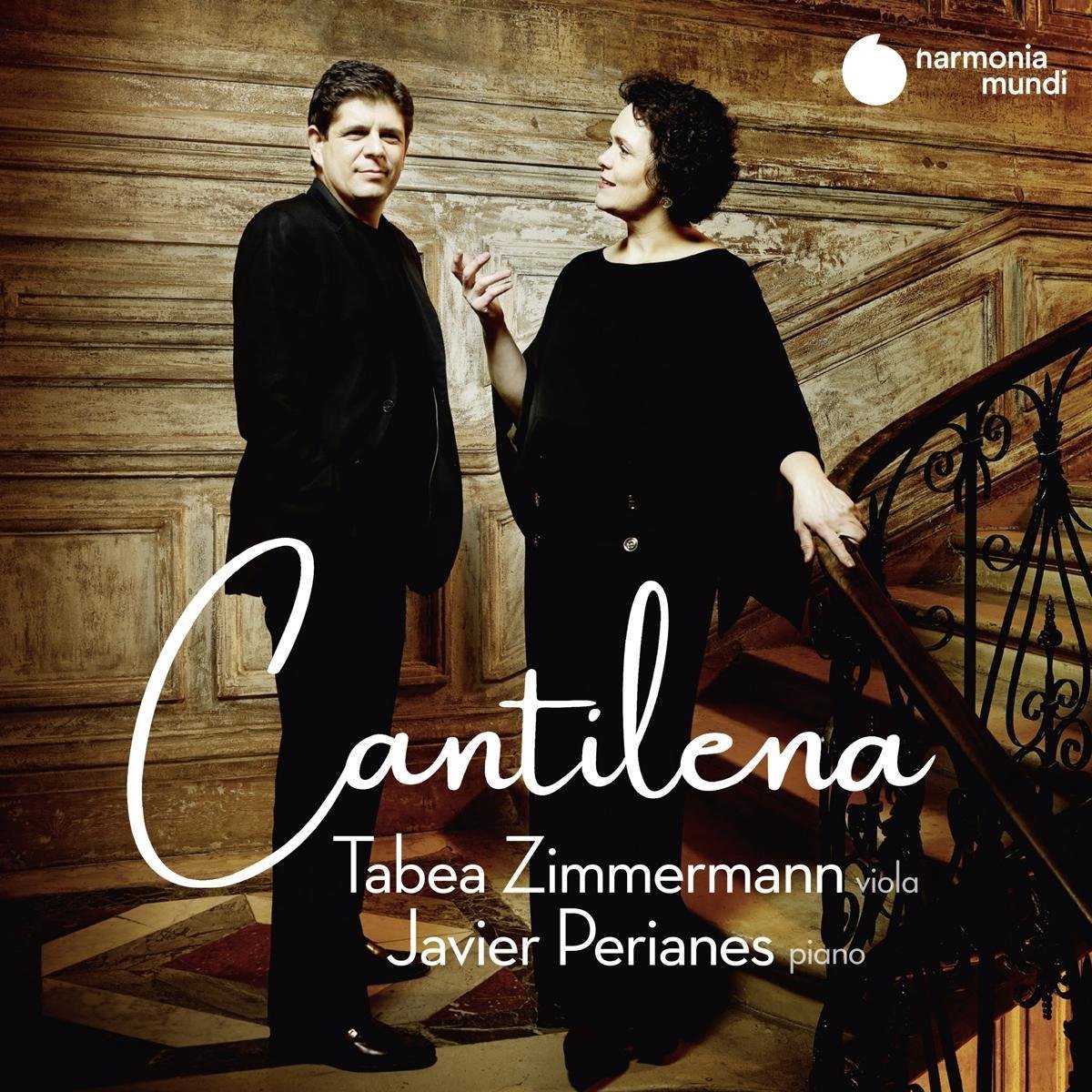
This album invites you to travel from Spain to South America in the company of the greatest composers the countries of the region have produced: next to Spanish folk songs reshaped by Falla, compositions by Casals, Granados, Montsalvatge, and the beloved Ária from the Bachiana brasileira by Brazil’s Villa-Lobos, an Argentine tango by Piazzolla is paired with its Spanish counterpart by Albéniz (though his is in the form of a habanera). A wide-ranging programme which brings together two virtuoso soloists... who are not about to part anytime soon.
harmonia mundi
Javier Perianes, Orchestre de Paris & Josep Pons
As if in a mirror, this recording juxtaposes the original piano versions of two of Ravel’s masterpieces (Le Tombeau de Couperin and Alborada del Gracioso) with their respective orchestrations. The Concerto in G major combines the two facets, both when the piano is integrated into the overall sound and when it plays its role as a soloist. The subtle playing of Javier Perianes and the refined sonorities of the Orchestre de Paris, conducted by Josep Pons, also remind us that Spain was the most significant source of inspiration in Ravel’s output.
harmonia mundi
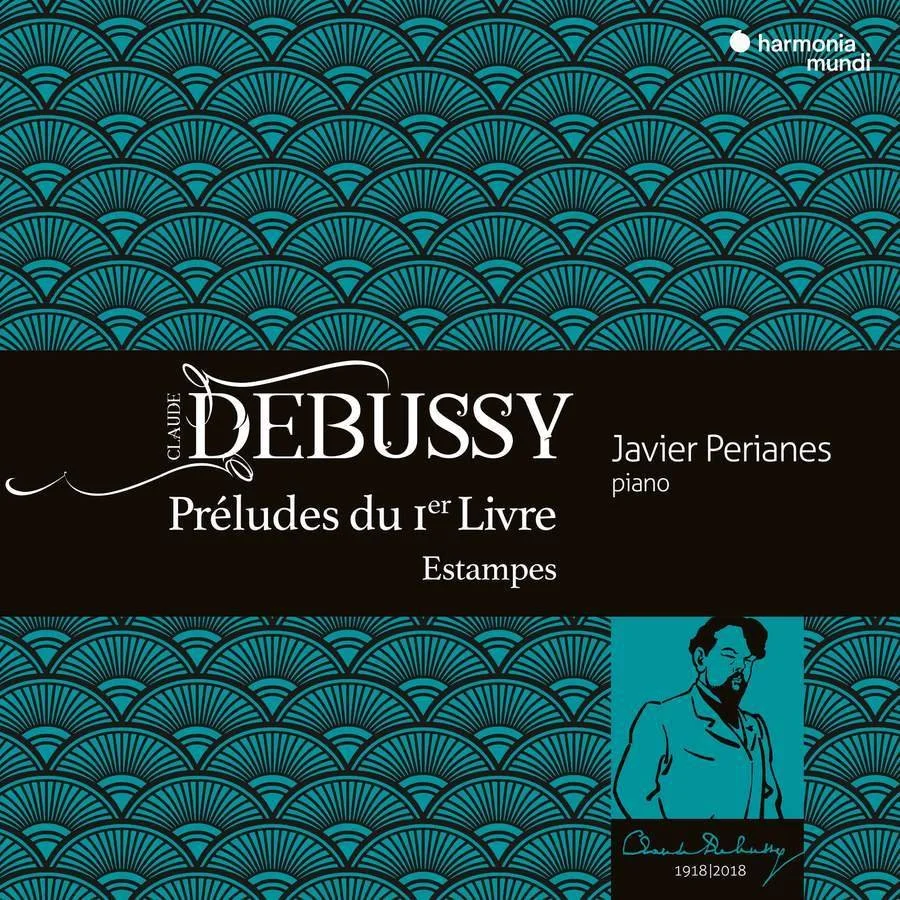
A century after his death on 25 March 1918, many harmonia mundi artists are eager to pay tribute to Claude Debussy, the magician of melody and timbre, the great ‘colourist’ and father of modern music. Javier Perianes, for his part, wanted to come back to these Préludes that are so close to his heart, after an earlier album devoted to the intangible links between Chopin and Debussy. This First Book, presented here in its entirety alongside the sublime Estampes, plunges us into the heart of music capable of dictating its title to each piece . . . beneath the final double bar.
harmonia mundi
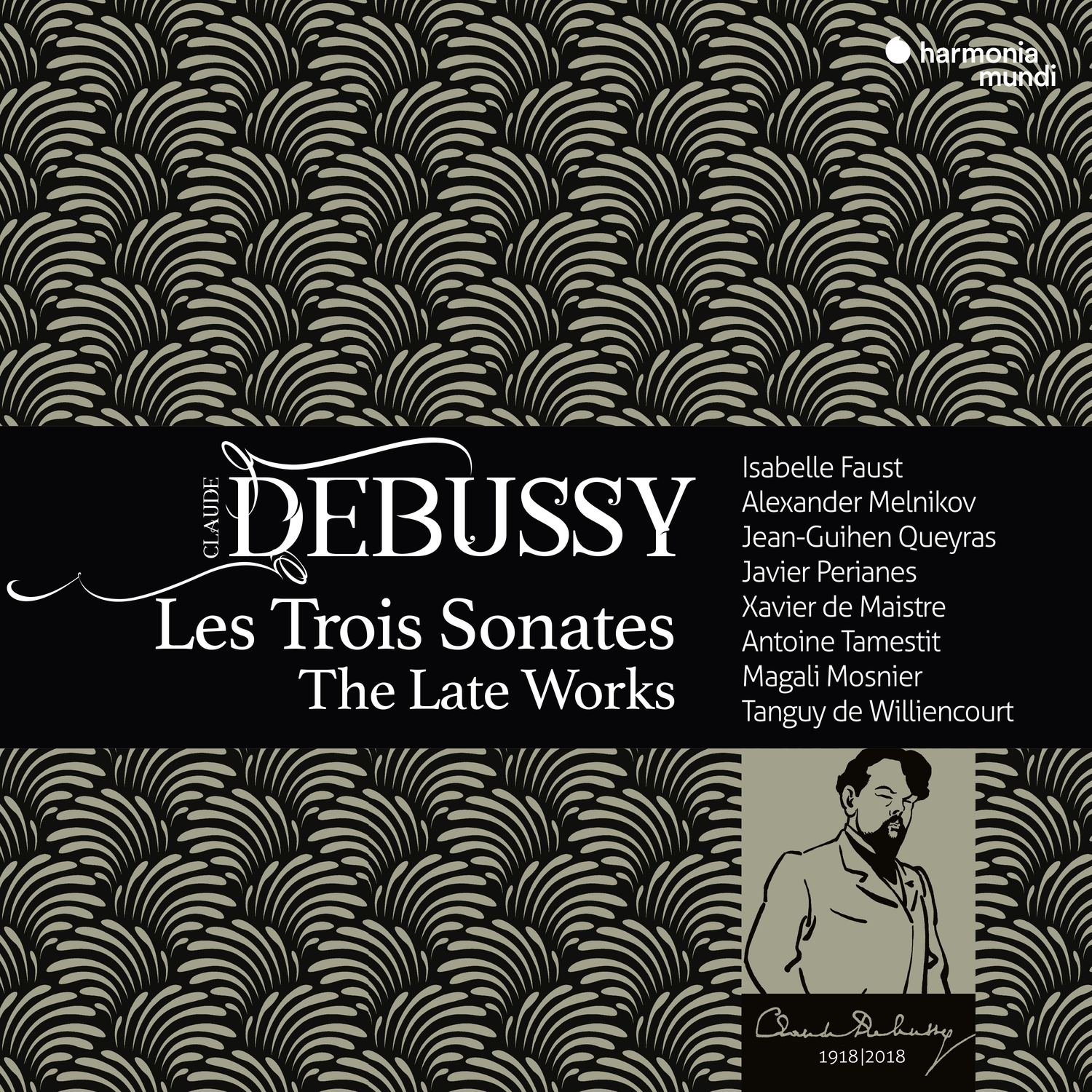
Isabelle Faust, Alexander Melnikov, Tanguy de Williencourt, Jean-Guihen Queyras, Javier Perianes, Magali Mosnier, Antoine Tamestit, Xavier de Maistre
A century after his death on 25 March 1918, many harmonia mundi artists are eager to pay tribute to Claude Debussy, the magician of melody and timbre, the great ‘colourist’ and father of modern music. In the three chamber sonatas, here combined with the composer’s final pieces for solo piano, we attain the purity, the absolute concision, the distant and mysterious world that give these works a testamentary dimension.

harmonia mundi
Javier Perianes, Münchner Philharmoniker & Pablo Heras-Casado
The inexhaustible strength of a genius. Neither the disillusionment that set in after his exile to the United States nor his declining health stopped Bartók from fulfilling his commission for the Concerto for Orchestra nor from writing the Third Piano Concerto, his final work, intended to secure his wife’s future. Hence his gloomy circumstances led to two masterpieces (and gained him a long-awaited American reputation). They are magnificently served here by Javier Perianes and the musicians of the Münchner Philharmoniker under the direction of Pablo Heras-Casado.
harmonia mundi
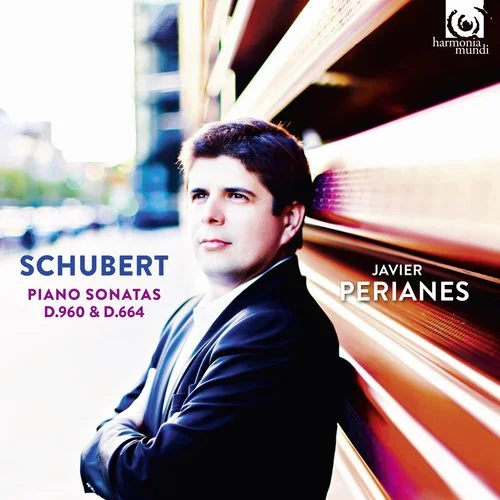
Schubert’s Piano Sonata D664 showcases the fine craftsmanship of a composer still writing in the shadow of the giant Beethoven; nine years later, Schubert, just thirty-one years old, produced what was, already, his last sonata (D960), just a few weeks before his shockingly premature death. So just nine years separate these two extremities in his output, but it would take many decades for these masterpieces to gain the same consideration as the late symphonies of Mozart or Beethoven’s op.132! This music is now cherished by today’s artists -among them Javier Perianes, who here returns to Schubert after a remarkable first volume- that enjoyed great success with the public.
harmonia mundi
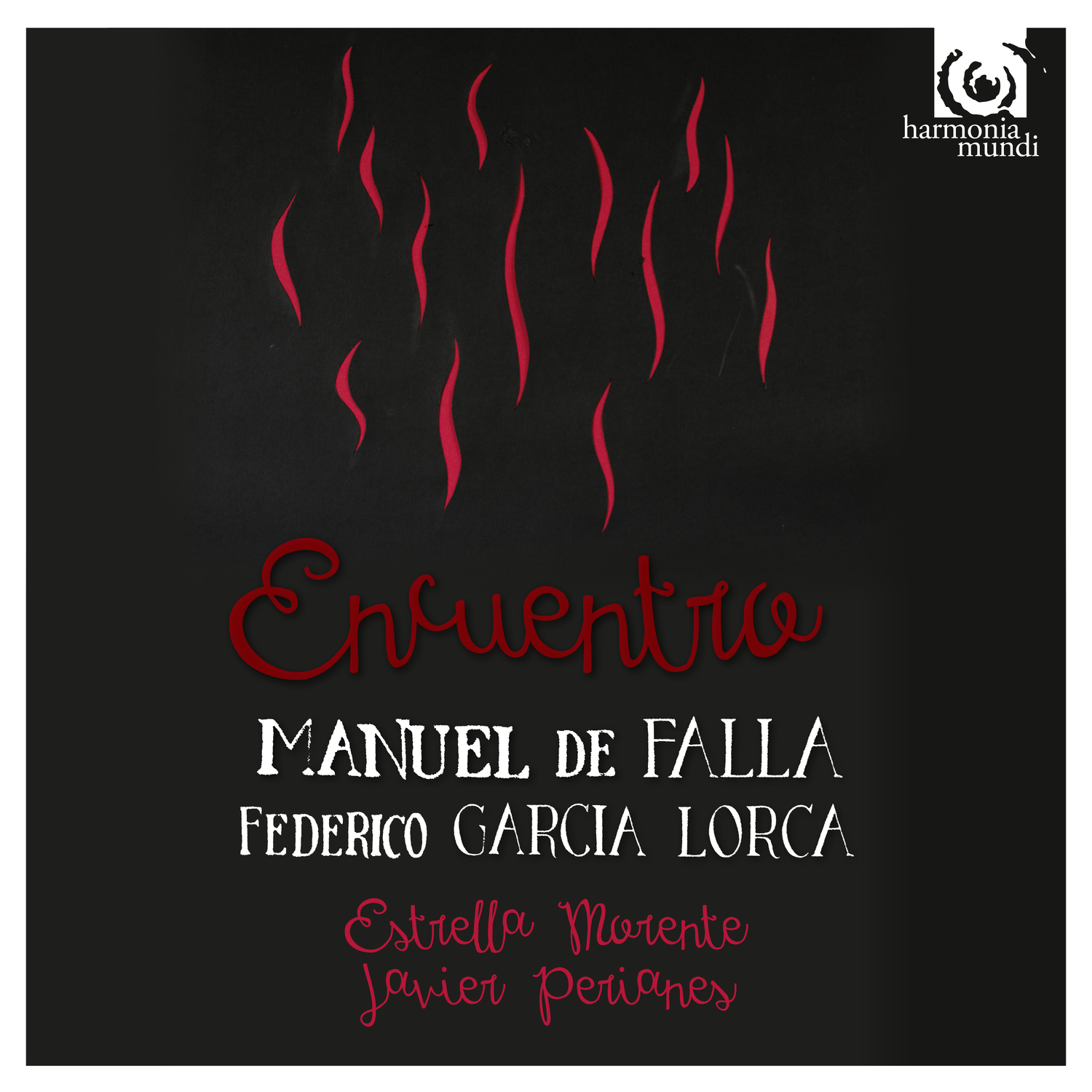
Javier Perianes & Estrella Morente
The desire to promote the immense heritage of Spanish traditional music lies at the heart of the compositional processes of Manuel de Falla and Federico García Lorca. To achieve their aims, both men relied heavily on the great flamenco artists of their day, imbuing their work with the authenticity of an age-old popular tradition. We can experience the same thrilling confrontation with tradition here in the performance of two internationally famous Spanish artists. One is a flamenco singer, the other a classical pianist. This album is the result of their first encounter!
harmonia mundi
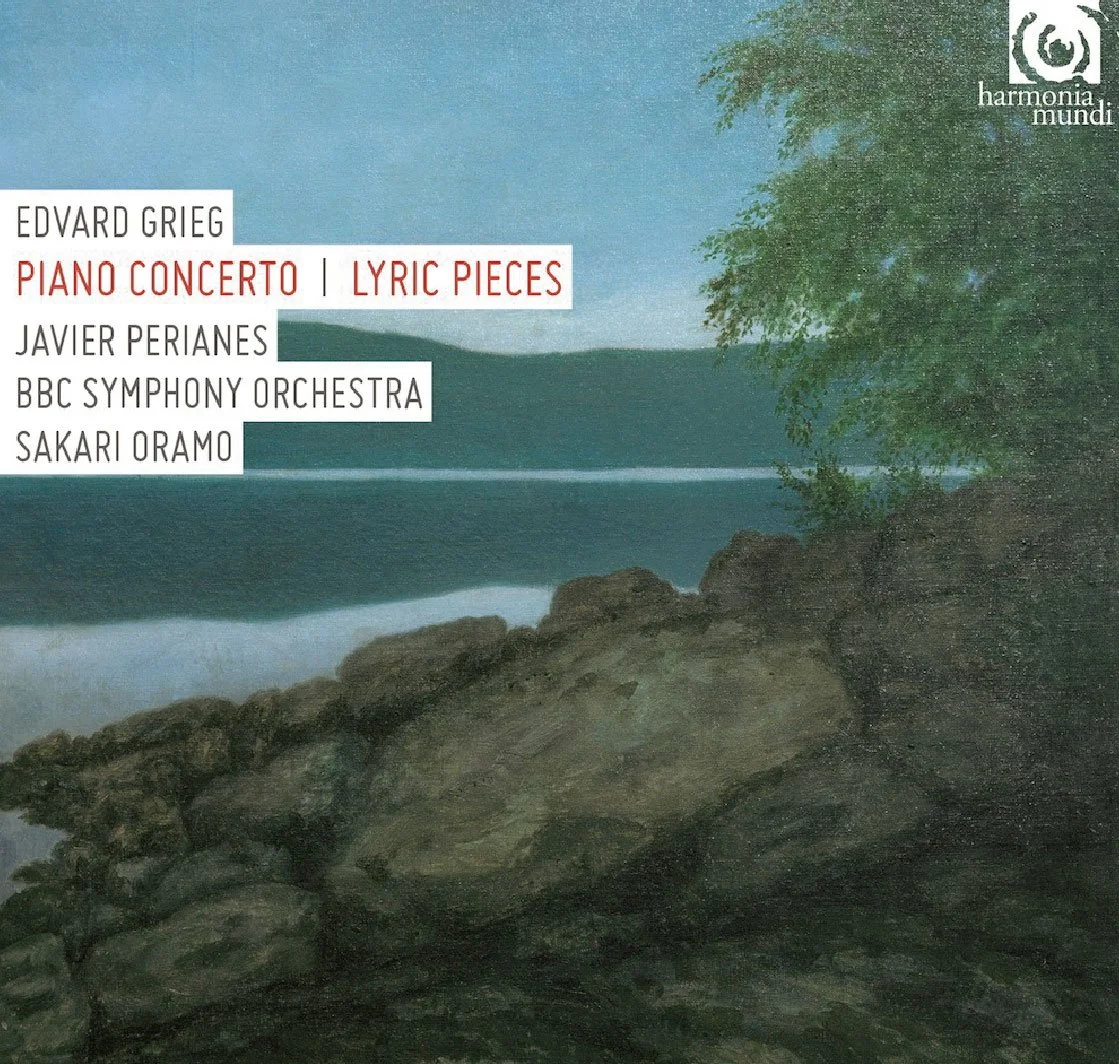
Javier Perianes, BBC Symphony Orchestra & Sakari Oramo
The work of a young musician of 25, the celebrated Concerto of Grieg combines the great Romantic tradition (Liszt was one of its most fervent admirers) and Norwegian folk music, with the halling and springdans of its thrilling finale. Yet the composer never wrote another, for he felt more comfortable writing in miniature forms. In 35 years he produced no fewer than 66 Lyric Pieces, every one a gem, from the truculent March of the Trolls to the poetic meditations of Homesickness and Remembrances.
harmonia mundi
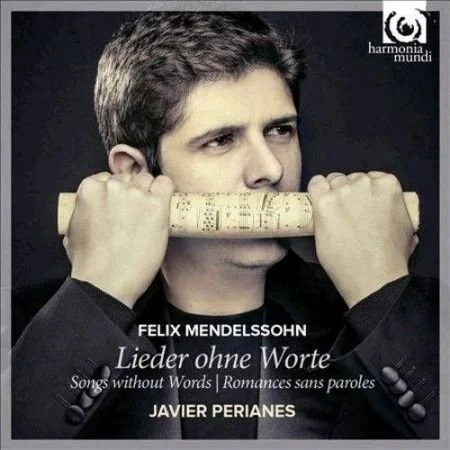
Felix Mendelssohn lived with a classical spirit in an era that sought to be romantic. Compared to the extravagances and pyrotechnics of the great romantic virtuosos, Mendelssohn seems to champion an intimate, domestic, inward style of pianism, a stranger to all excess.
The programme of Perianes’s new album illustrates four essential qualities of the music of Felix Mendelssohn. Music stripped of all superfluity, including the literary aspect (Songs without Words); a gift for creating magical atmospheres (Rondo Capriccioso); unconditional admiration for classical order; finally, a genuine veneration for Bach (Prelude and fugue op.35). The whole radiant universe of Mendelssohn is encapsulated here.
harmonia mundi
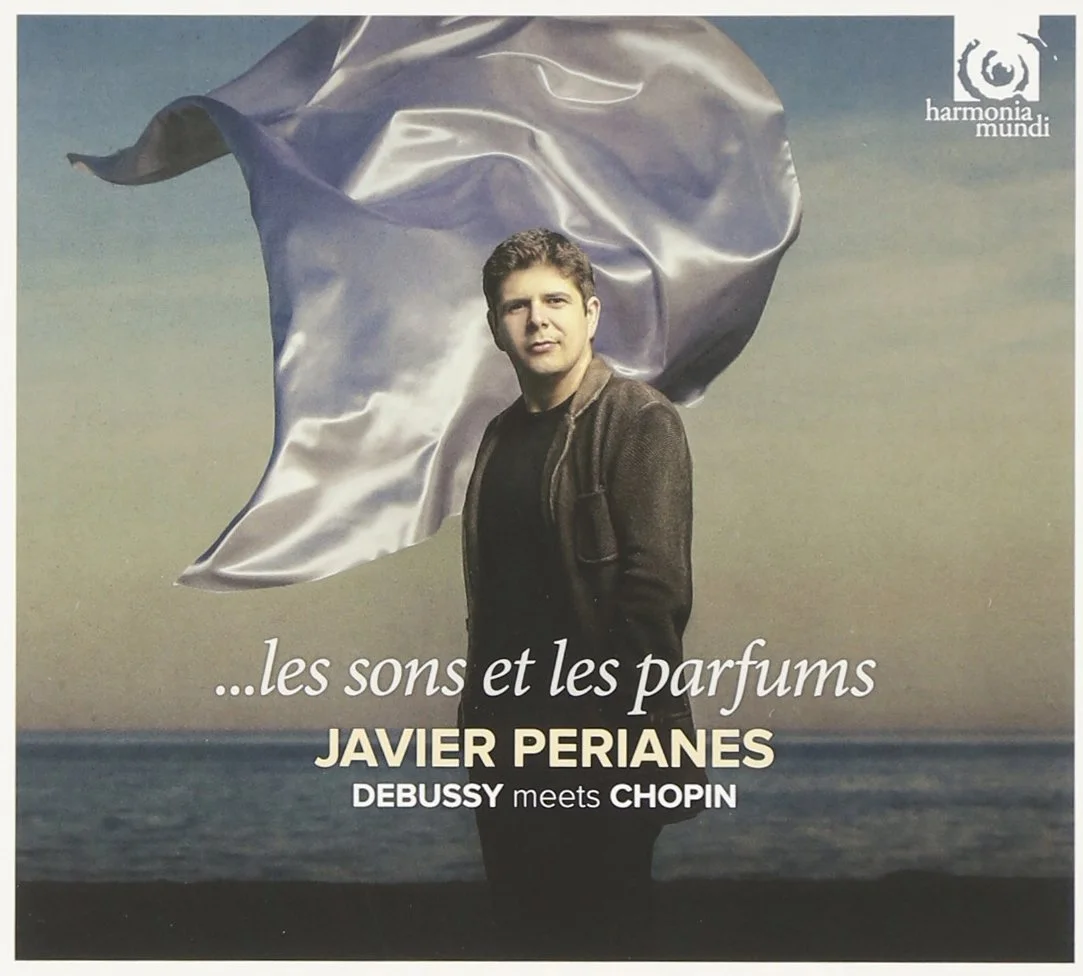
Debussy meets Chopin. “Such natures as, when they come in contact, at once lay hold of each other, and mutually affect one another, we speak of as having an affinity for the other”, wrote Goethe in Elective Affinities, in an attempt to apply the principles that govern chemical reactions to the world of emotions. Were it possible to ask them, it is most certain that Fryderyk Chopin and Claude Debussy would have gladly conceded to this project bursting with affinities and complicities.
Two seekers of the absolute who, through an art distilled to its quintessence, were able to erase all trails of their work and of their extraordinary compositional technique. The connections between them are as numerous as they are subtle, never obvious yet tremendously profound: Javier Perianes’s accomplishment is to retrieve the artistic thread that links these two geniuses rising over their respective centuries.
harmonia mundi
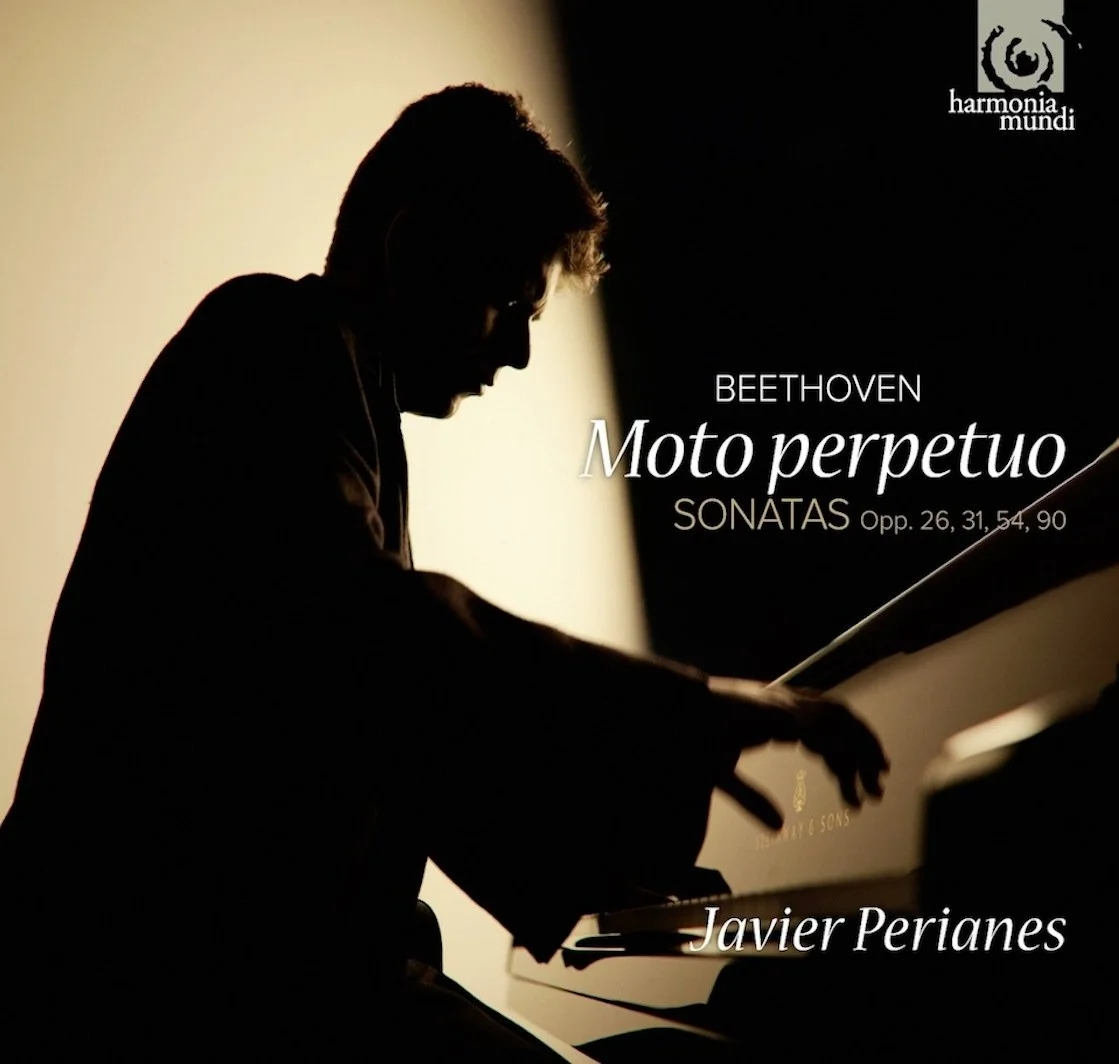
In search of perpetual time. If the device known as moto perpetuo has travelled all through the history of music, from Franco-Flemish polyphony down to the American minimalists, it is probably because it encourages us to question our relationship with the infinite. More than a century before the constructivist movement, when he explored this eminently mechanistic form, Beethoven already took that process of questioning to the brink of existential vertigo! His works form the basis of the enthralling programme presented here by Javier Perianes.

harmonia mundi
The CD Mompou-Música Callada has been re-released in june 2012 on harmonia mundi Gold Edition.
‘Silent music’, inspired by the poet San Juan de la Cruz, is a music “that is silent”, a music that is silent because you hear it internally. Mompou himself defined it as “a weak heartbeat” which had the mission of penetrating into the most secret depths of our soul.
harmonia mundi
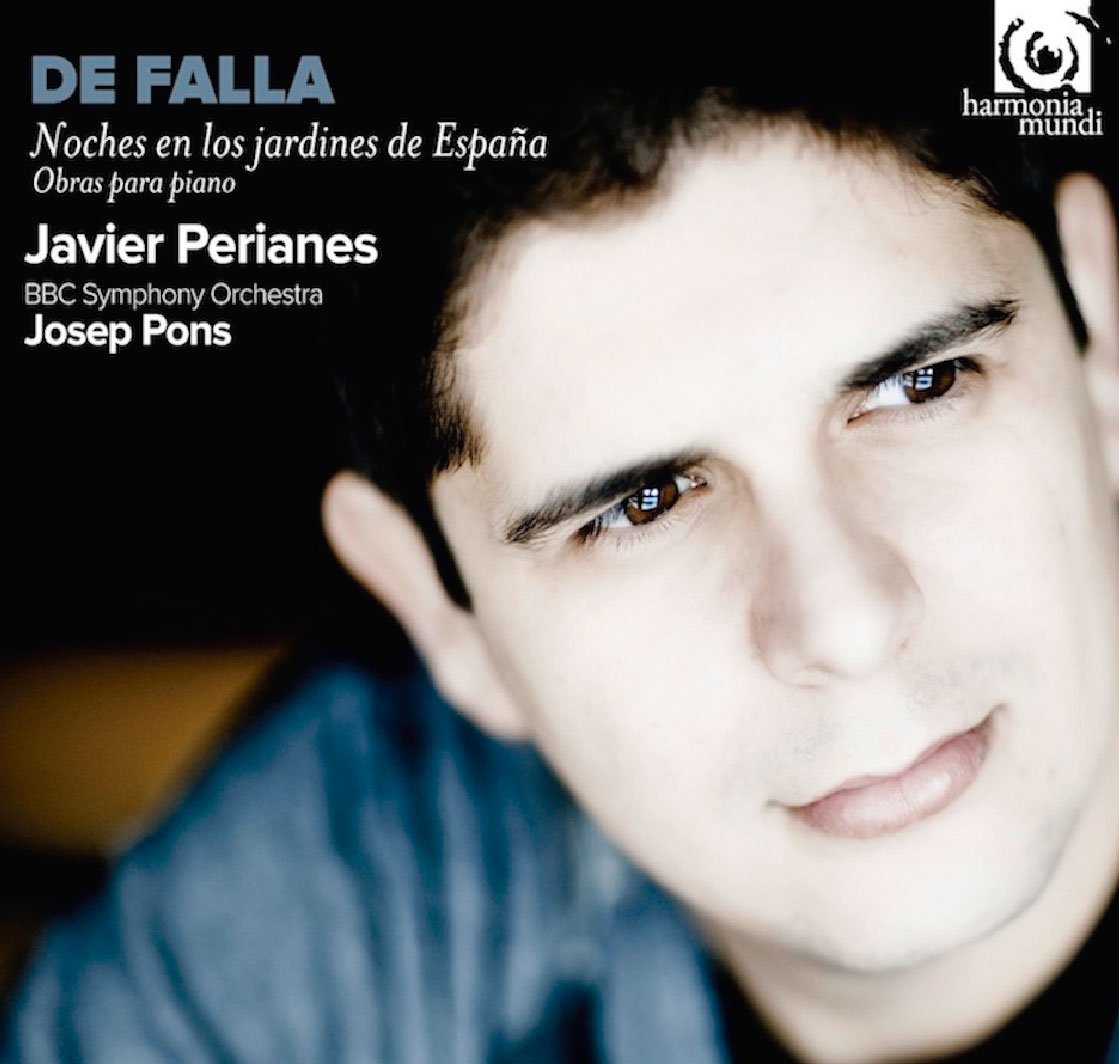
Javier Perianes, BBC Symphony Orchestra & Josep Pons
Javier Perianes offers us a passionate interpretation of one of Manuel de Falla’s masterworks, the Nights in the Gardens of Spain, and also delves into Falla’s music for solo piano. Accompanying the pianist from Nerva in this venture is the BBC Symphony and conductor Josep Pons.
This CD is presented in two versions, a standard disc and a limited premium edition with a 30-minute-plus long DVD in which Javier and Yvan Nommick, a musicologist and Falla specialist, converse in Granada about distinctive and unpublished aspects of the music of the composer.
Almaviva
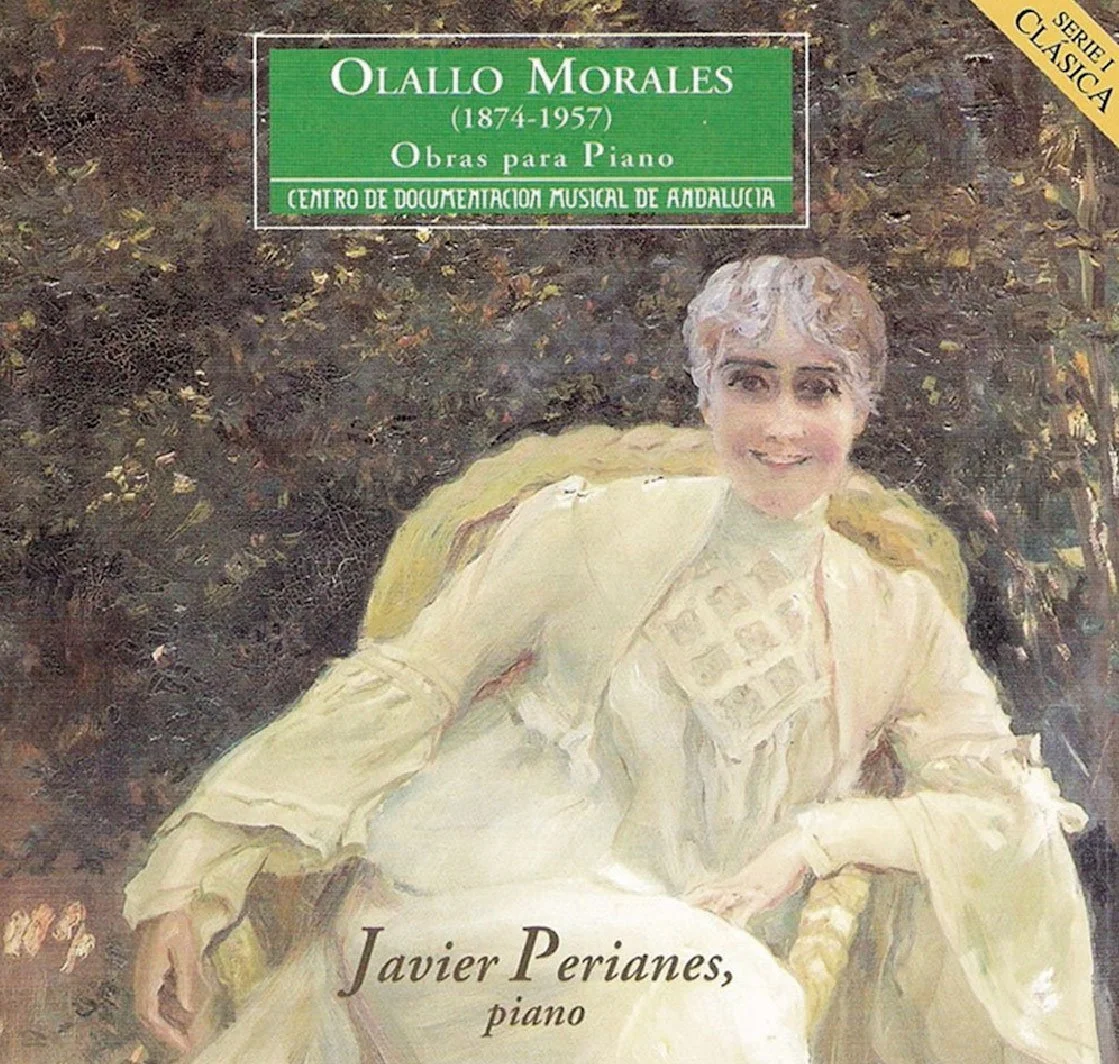
Olallo Morales was born in Almeria, the son of a Spanish diplomat and astronomist and the Swedish pianist Zelma Wilkman. In 1881, only at the age of seven, he was settled in Sweden. But, even though he studied with Swedish masters such as Wilhelm Stenhammar and later in Berlin with the Venezuelan pianist Teresa Carreño and Hans Pfitzner, his music is impregnated with a naïve and picturesque Spanish style, which permeated the style of many composers who, for one reason or another, had to live outside of Spain. Morales’ music is enjoyable and well composed, unassuming and bewitching.
Almaviva Apple Music Amazon Spotify
harmonia mundi
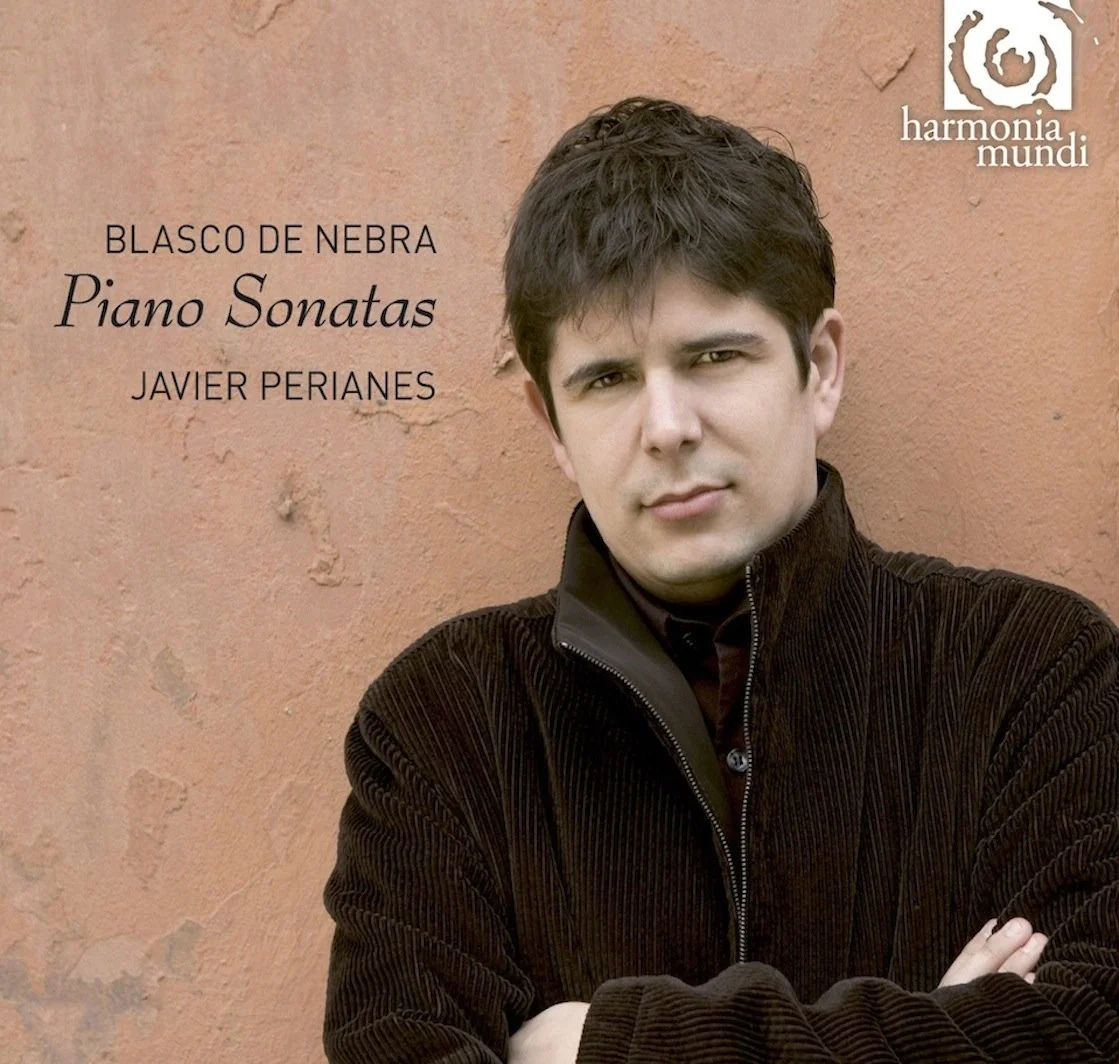
Javier Perianes invites us to discover the keyboard works of a composer who, like himself, was a native of Andalucia: the heir to Scarlatti in many respects, Blasco de Nebra magisterially combined his own natural heritage with the forms imported by the Hispano-Neapolitan composer. The sonatas and pastorales presented on this disc shed light on the multiple facets of his creative genius, alas cut short all too soon: he died at the age of just thirty-four.
harmonia mundi
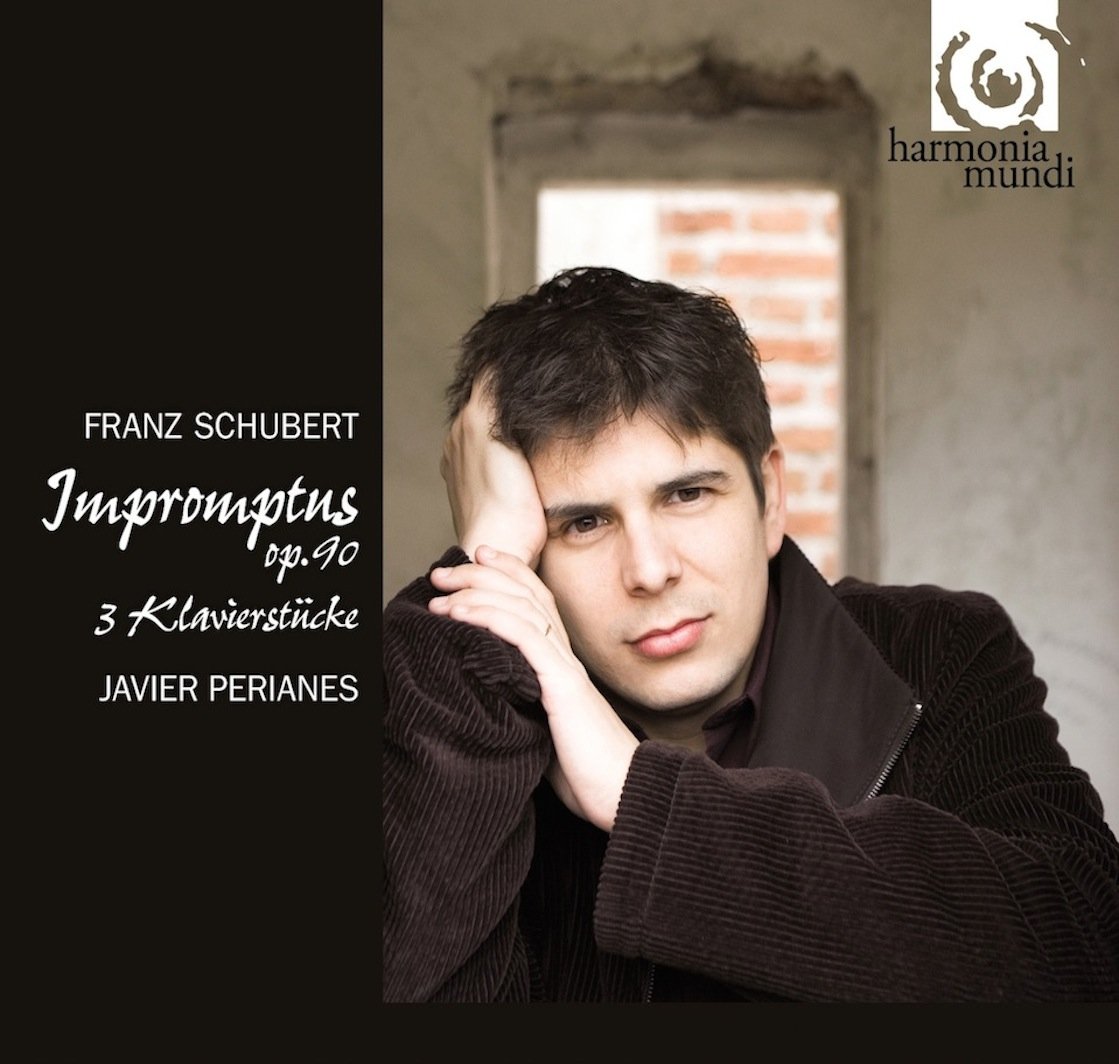
After his first CD devoted to Mompou, which attracted much favourable comment, Javier Perianes now turns to the “short pieces” of Schubert. But appearances can be deceptive! For what the composer called “Impromptus” or “Klavierstücke” went so far beyond the bounds of mere entertainment for amateurs that they were rejected by publishers on account of their difficulty. These “lieder for solo piano”, as one might term them, concentrate into a limited space all those emotional hints, those things left unsaid, to which Schubert alone possessed the key….